Introduction
When planning for the future, many people focus on writing a will but overlook one of the most effective estate planning tools available: a living trust. While a will is an essential document, it often requires your estate to go through probate—a legal process that can be time-consuming, costly, and public. A living trust offers an alternative that can simplify the transfer of assets, protect your privacy, and provide greater control over your estate.
A living trust is not just for wealthy individuals. Families, homeowners, business owners, and anyone who wants to make life easier for their loved ones can benefit from incorporating a living trust into their estate plan. By taking this proactive step, you can help ensure your assets are managed according to your wishes while reducing unnecessary legal complications.
What Is a Living Trust?
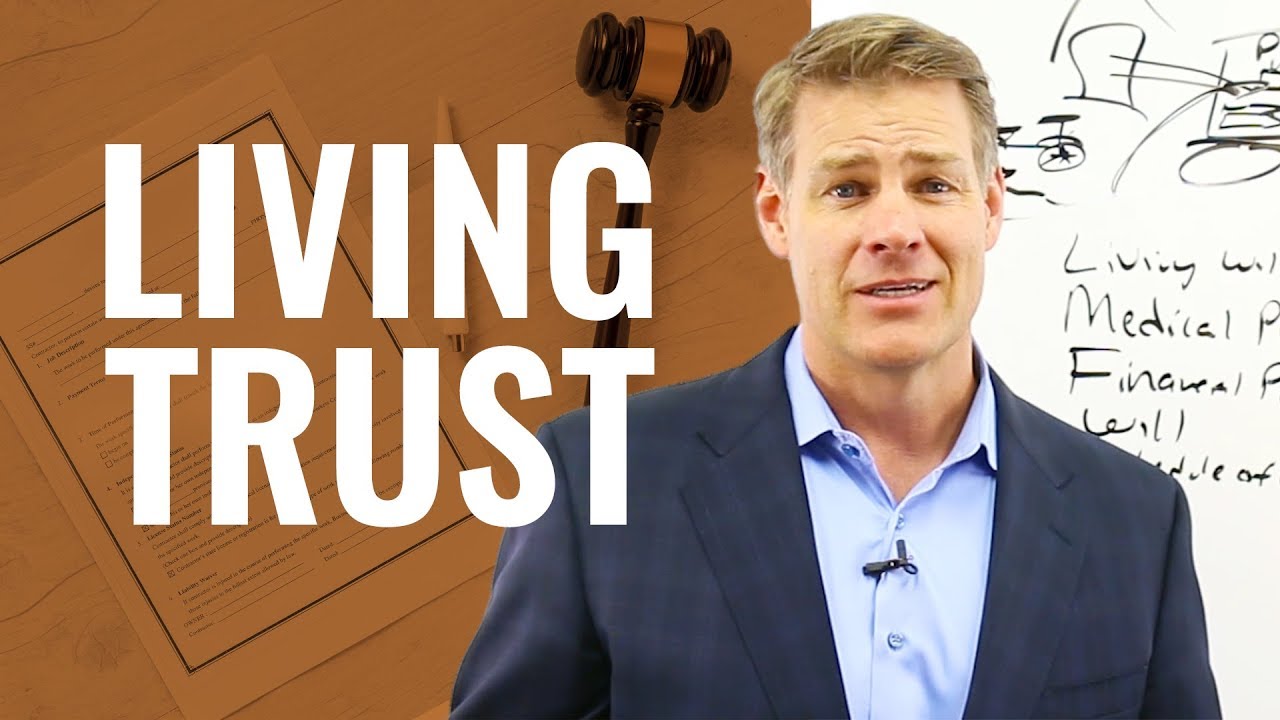
A living trust, also known as a revocable living trust, is a legal arrangement that allows you to place your assets into a trust during your lifetime. As the creator of the trust (known as the grantor), you typically serve as the trustee, maintaining full control over your assets while you are alive.
If you become incapacitated or pass away, a successor trustee—whom you designate in advance—manages or distributes the trust assets according to your instructions without the need for probate in many cases.
A living trust can hold a wide variety of assets, including:
- Real estate
- Bank accounts
- Investment portfolios
- Business interests
- Personal property
- Valuable collectibles
Key Benefits of Creating a Living Trust
1. Avoids Probate
One of the greatest advantages of a living trust is that assets held in the trust generally bypass the probate process.
Probate can involve court supervision, legal fees, administrative expenses, and significant delays before beneficiaries receive their inheritance. Depending on the complexity of the estate and local laws, probate may take months or even longer.
Because trust assets are transferred directly according to the trust’s terms, beneficiaries often receive their inheritance more quickly and with fewer legal hurdles.
2. Maintains Privacy
Unlike a will, which typically becomes part of the public record during probate, a living trust generally remains private.
This means details about your assets, beneficiaries, and distribution plans are not usually available for public inspection. For families who value confidentiality, this privacy can be a significant advantage.
3. Provides Continuity During Incapacity
Estate planning is not only about what happens after death—it also prepares for unexpected illness or disability.
If you become unable to manage your financial affairs, your successor trustee can immediately step in to oversee trust assets according to your instructions. This can reduce the need for court-appointed guardianship or conservatorship proceedings and ensure your finances continue to be managed without interruption.
4. Gives You Control Over Asset Distribution
A living trust allows you to decide exactly how and when your assets will be distributed.
For example, you can:
- Delay inheritances until beneficiaries reach a certain age
- Distribute assets in stages
- Provide ongoing financial support for loved ones
- Establish conditions for specific distributions
This flexibility can be especially valuable for families with young children, blended families, or beneficiaries who may need financial guidance.
5. Protects Family Members
A thoughtfully drafted living trust can help protect beneficiaries by ensuring assets are managed responsibly.
For example, you can appoint a trustee to oversee funds for minor children or beneficiaries who may not yet be prepared to manage significant financial resources on their own.
6. Simplifies Estate Administration
A living trust often streamlines the process of settling an estate.
Since many trust assets are not subject to probate, your successor trustee can generally begin managing and distributing assets more efficiently, reducing delays and administrative burdens for your loved ones.
7. Supports Business Succession Planning
Business owners can use a living trust as part of a broader succession plan.
By placing business interests into a trust and clearly outlining management or ownership transitions, you can help promote business continuity and reduce uncertainty for family members, partners, and employees.
8. Helps Manage Multi-State Property
If you own real estate in more than one state, a living trust can simplify estate administration.
Without proper planning, property located in multiple states may require separate probate proceedings. A living trust can often reduce or eliminate the need for these additional court processes, depending on applicable laws.
Living Trust vs. Will
Although both documents are important, they serve different purposes.
| Living Trust | Will |
|---|---|
| Can help avoid probate for assets held in the trust | Usually requires probate |
| Generally remains private | Typically becomes public during probate |
| Can provide management during incapacity | Does not manage assets during incapacity |
| Takes effect once created and funded | Takes effect after death |
| Requires assets to be transferred into the trust | Does not require trust funding |
Many comprehensive estate plans include both a living trust and a will, with the will addressing matters that may not be covered by the trust.
Who Should Consider a Living Trust?
A living trust may be especially beneficial if you:
- Own a home or other real estate
- Have minor children
- Want to avoid probate
- Own property in multiple states
- Have significant financial assets
- Own a business
- Value privacy
- Wish to simplify estate administration for your family
Even individuals with modest estates may find that the convenience and flexibility of a living trust make it a worthwhile planning tool.
Common Misconceptions About Living Trusts
“Living Trusts Are Only for the Wealthy”
This is one of the most common myths. People with a wide range of financial circumstances can benefit from a living trust, especially if they own property or want to simplify the transfer of assets.
“A Living Trust Eliminates the Need for a Will”
Not necessarily. Many people use a “pour-over will” alongside a living trust to ensure that assets not previously transferred into the trust can still be handled according to their overall estate plan.
“Once Created, a Living Trust Cannot Be Changed”
Most living trusts are revocable, meaning you can update, modify, or revoke the trust during your lifetime as long as you remain legally competent.
Keeping Your Living Trust Up to Date
Creating a trust is only the first step. Your estate plan should be reviewed regularly, particularly after major life events such as:
- Marriage
- Divorce
- Birth or adoption of a child
- Purchasing or selling property
- Starting or selling a business
- Receiving a significant inheritance
- Retirement
Regular reviews help ensure your trust continues to reflect your current wishes and financial situation.
Conclusion
A living trust is a powerful estate planning tool that can help protect your assets, maintain privacy, simplify estate administration, and provide peace of mind for you and your family. By helping many assets avoid probate and allowing for a smoother transfer of property, a living trust can reduce stress and uncertainty for your loved ones during difficult times.
Because estate planning laws vary by jurisdiction and individual circumstances, it’s wise to seek qualified legal advice when deciding whether a living trust is right for you. With careful planning and regular updates, a living trust can play a key role in preserving your legacy and ensuring your wishes are carried out for future generations.